Blog
How startups raising on ThatRound can secure top-tier media coverage
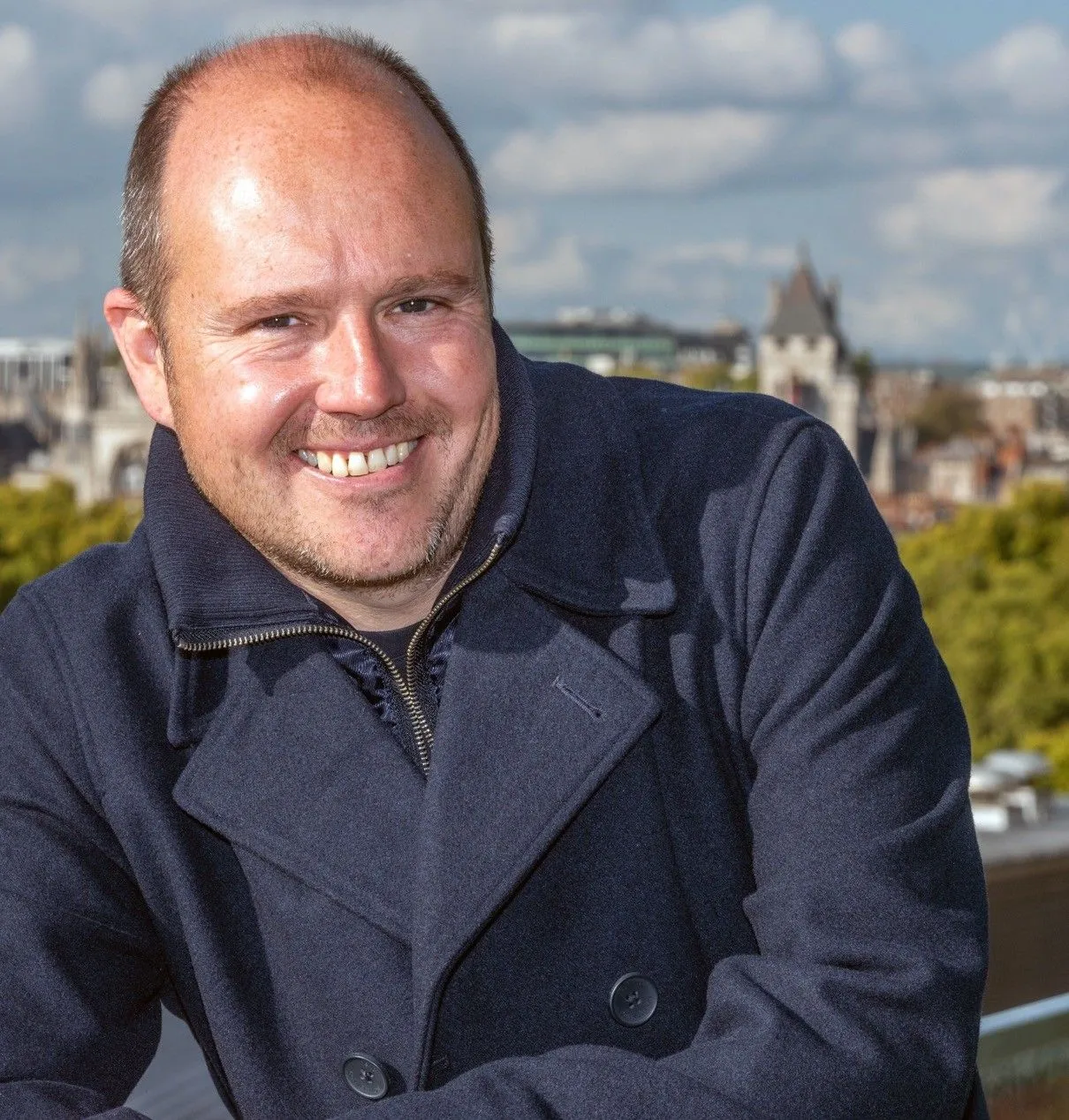
You don’t need to be a big brand to get national coverage. Jon Card, who’s written for The Times and Guardian, explains how.
October 13, 2026

You don’t need to be a big brand to get national coverage. Jon Card, who’s written for The Times and Guardian, explains how.
Can your seed-stage startup feature on the BBC or in The Times? Yes, if you tell a compelling story, writes Jon Card.
You’ve created the business. You’ve even gained funding, but now you need to raise your company’s profile. As the owner of a fast-growing business, you’re expanding on all fronts - customers, connections, staff, partners and, before too long, probably some more investors.
It’s time to get on the radars of all the right people and that is what PR is all about.
For company founders, there are two pieces of great news. Firstly, there are many opportunities for PR. Secondly, entrepreneurs and company founders have unique advantages over established competitors.
Here are those advantages and how you can use them to gain great coverage for your company.
The first big advantage you have is your founder’s story. Big brands can’t speak about their companies in the same way that you can. You’re able to tell people why you set up your company and what inspired you. You’re able to describe your company in a truly human way. This makes it far more appealing, far more interesting and, indeed, far more memorable.
The importance of a founder’s story cannot be overestimated. Think about all of the super-successful entrepreneurs you’ve heard of: Richard Branson, Steve Jobs, Anita Roddick and more. They all used their founder’s story to great effect.
It’s time to get your media assets into shape because, ultimately, it is the strength of key media assets that determines your media success.
A founder who understands the media and is comfortable speaking on panels, podcasts and to the press generally is a major asset.
A well-defined founder story and customer story are also very powerful. In addition, the companies that get the most exposure are those with professional photography, press releases and bios of their main spokespeople.
While some publications might accept amateur pictures, many won’t - and they’ll never tell you. Therefore, investing in a professional photoshoot is a wise move. But don’t go for dull corporate headshots; instead, create pictures which illustrate your company’s story and stand out from the crowd.
You should aim to get pictures good enough to appear in the business section of The Times. The simplest way to do that is to hire a photographer with experience working for national media. Yes, it’s really that straightforward. If you want to appear on the BBC, The Times or The Telegraph, then hire a photographer who has worked for those titles.
One of the biggest differentiators between those who get coverage and those who don’t is the ability to speak like a human being. Journalists like people who can speak in plain English. They can’t abide those who use marketing speak or a load of technical terms that mean nothing to their readers.
Is the media still interested in funding stories? Yes, absolutely, and they often publish them or want to speak to the founders.
There are lots of relevant media titles for startups and there are some excellent titles covering the emergence of new companies, from Startups.co.uk to UKTN or Entrepreneur.com. It’s important to realise that it’s not just big companies that can get top-tier coverage.
Journalists aren’t actually that interested in whether or not a company is making millions yet. What all journalists want is a good story, and founders often have them.
However, many founders lose opportunities or fail to make the most of them as they don’t follow the advice I’ve given above. A great story with no picture won’t get published. A press release filled with corporate language is a turn-off. The same can be said of a story filled with tech jargon.
There is one super simple piece of advice for success that applies as much to PR as to so many other aspects of business: showing up.
There are opportunities galore to raise your profile - journalists, event managers and podcasters are routinely putting out shout-outs via social media. The people who get featured are those who reply quickly and with the information needed to make a decision.
The best PR advice is the simplest: keep showing up.
Jon Card is the author of How to Make Your Company Famous and has worked as a business journalist for The Guardian, The Times and The Daily Telegraph. His company, Full Story Media, has helped entrepreneurial companies to raise £100m of investment and gain three King’s Awards for Enterprise.

One place to find, compare and engage with the right early-stage investors by using intelligent matching and warm introductions.